
A journey into one of Bali's most traditional villages — and a new way of thinking about travel.
When people think of Bali, they often imagine beautiful beaches, ancient temples, green rice fields, and colourful ceremonies. But Bali is much more than its famous landscapes.
Across the island, local communities are working to protect their culture, strengthen their communities, and care for the natural environment. One of the most inspiring examples can be found in Penglipuran Tourism Village, in Bangli Regency, in the highlands of central Bali.
Penglipuran is not simply a place to visit. It is a living Balinese community, where traditional culture, daily life, nature, and tourism exist side by side. And today, Penglipuran is also part of an important conversation about the future of travel: regenerative tourism.
What Is Regenerative Tourism?
You may already be familiar with the idea of sustainable tourism. Sustainable travel means trying to reduce the negative impact of tourism — by protecting nature, respecting local culture, reducing waste, and supporting local communities.
Regenerative tourism takes this idea one step further. Instead of asking only, “How can we reduce our impact?”, it asks, “How can tourism help make a place better?”
This could mean helping local businesses grow, supporting cultural traditions, educating visitors, protecting nature, strengthening local communities, and contributing to the long-term well-being of the destination.
In simple terms: sustainable tourism aims to do less harm. Regenerative tourism aims to create a positive contribution.
Why Is Penglipuran Special?
For many visitors, the first impression of Penglipuran is its beautiful traditional architecture and exceptionally clean village streets. But the real story goes much deeper.
Penglipuran is a community with strong traditions, local rules, customary institutions, and a close relationship between people, culture, and the environment. The village has maintained many aspects of its traditional way of life while welcoming visitors from around the world.
This creates an interesting balance: how can a traditional community benefit from tourism while protecting the things that make it special? This is one of the most important questions facing many popular destinations today.
The Community Is at the Heart of Tourism
One of the most important lessons from Penglipuran is the role of the local community. Tourism is not only about hotels, restaurants, attractions, or visitors. It is also about people.
Local residents can play an important role in welcoming visitors, maintaining traditions, managing tourism activities, supporting local businesses, and protecting the character of their village.
This means that visitors are not simply coming to see a traditional Balinese village. They are entering a living community. That makes the experience more meaningful. Instead of simply taking photographs, travellers can take the time to understand the stories, traditions, values, and people behind what they see.
A New Idea from Penglipuran: The REGENESIS Model
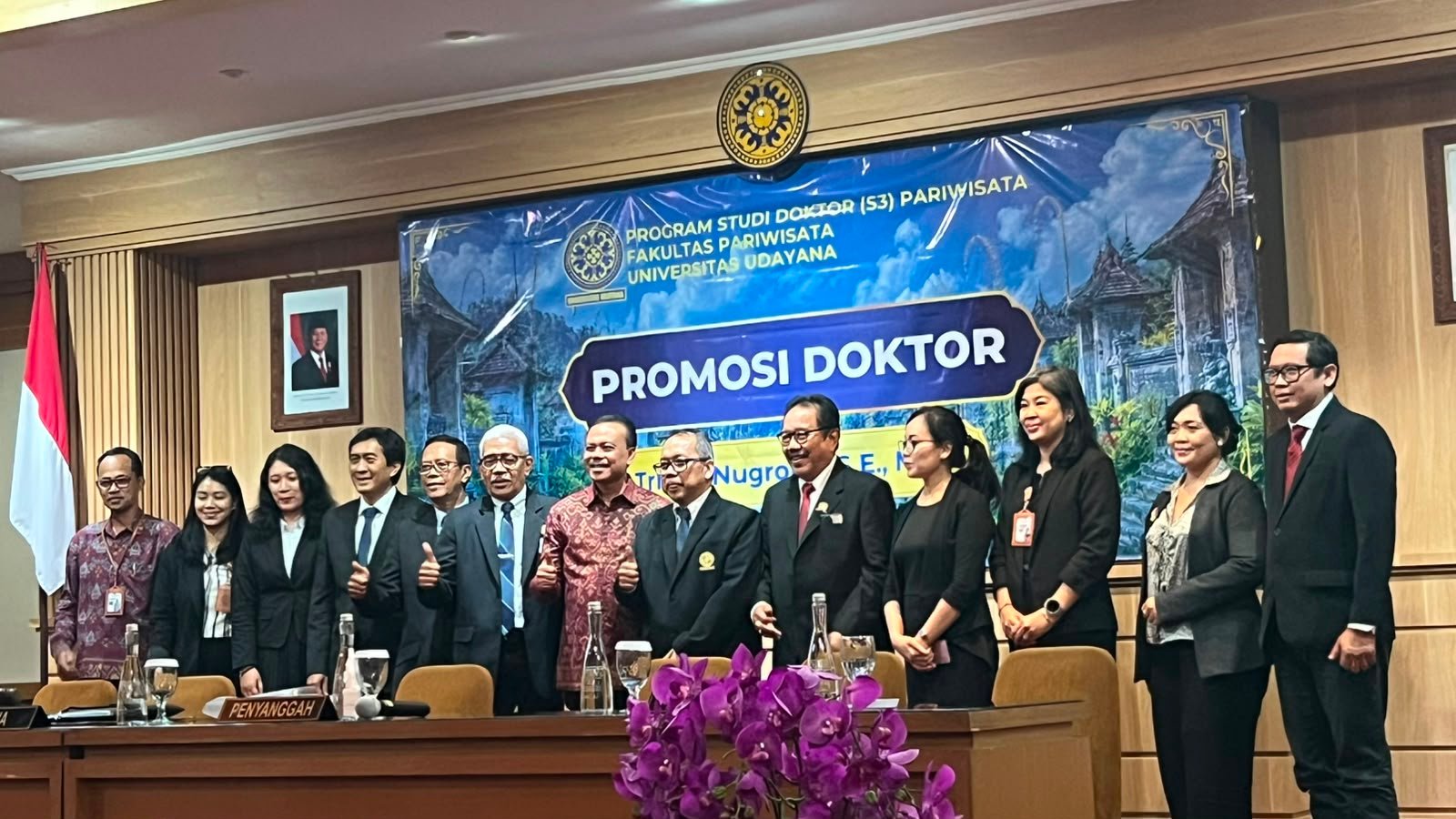
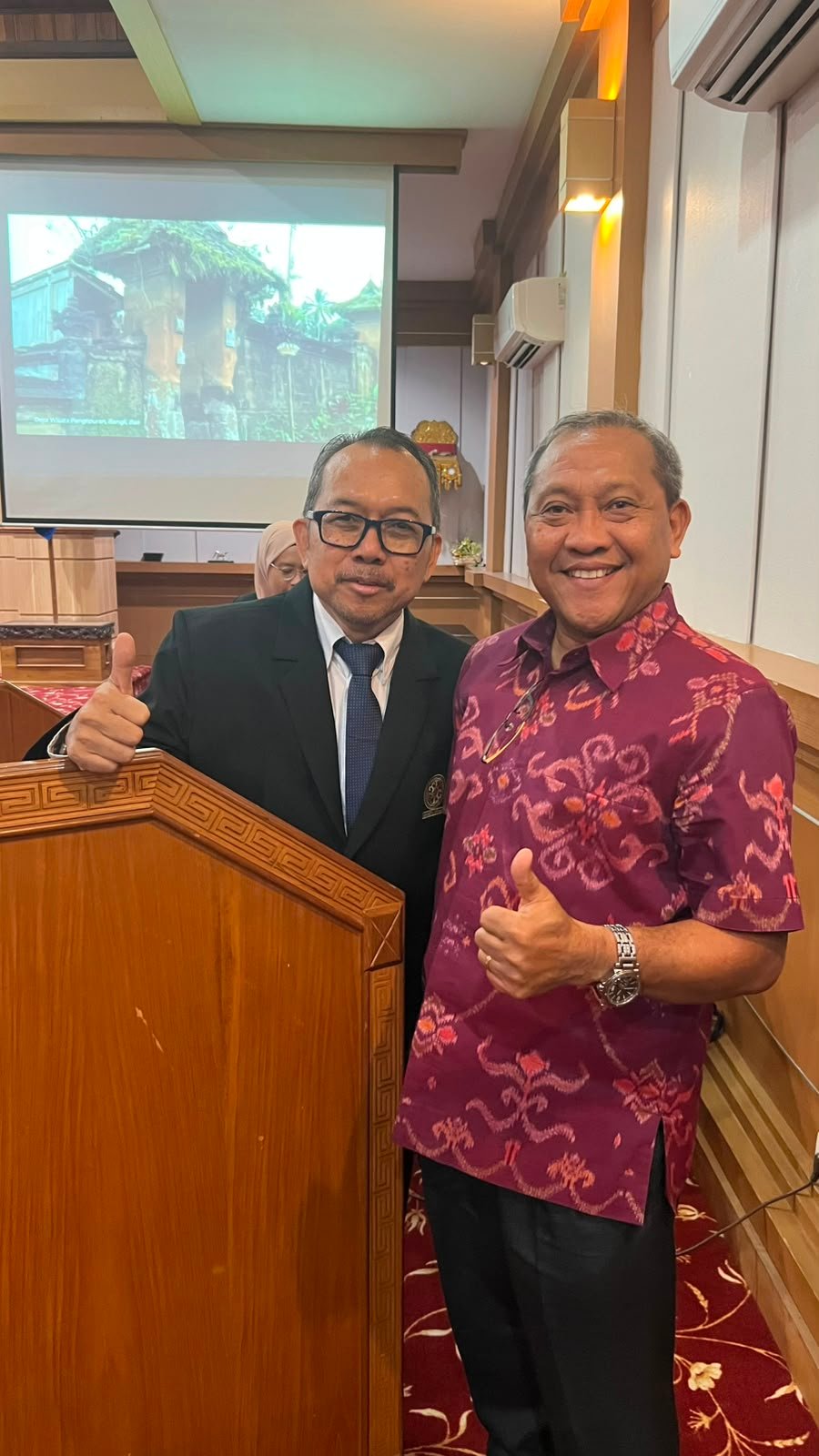
A recent doctoral study at Udayana University explored how regenerative tourism could be developed in Penglipuran. The research, conducted by Trisno Nugroho, looked at an important question: how can local people become more actively involved in creating a better future for their tourism destination?
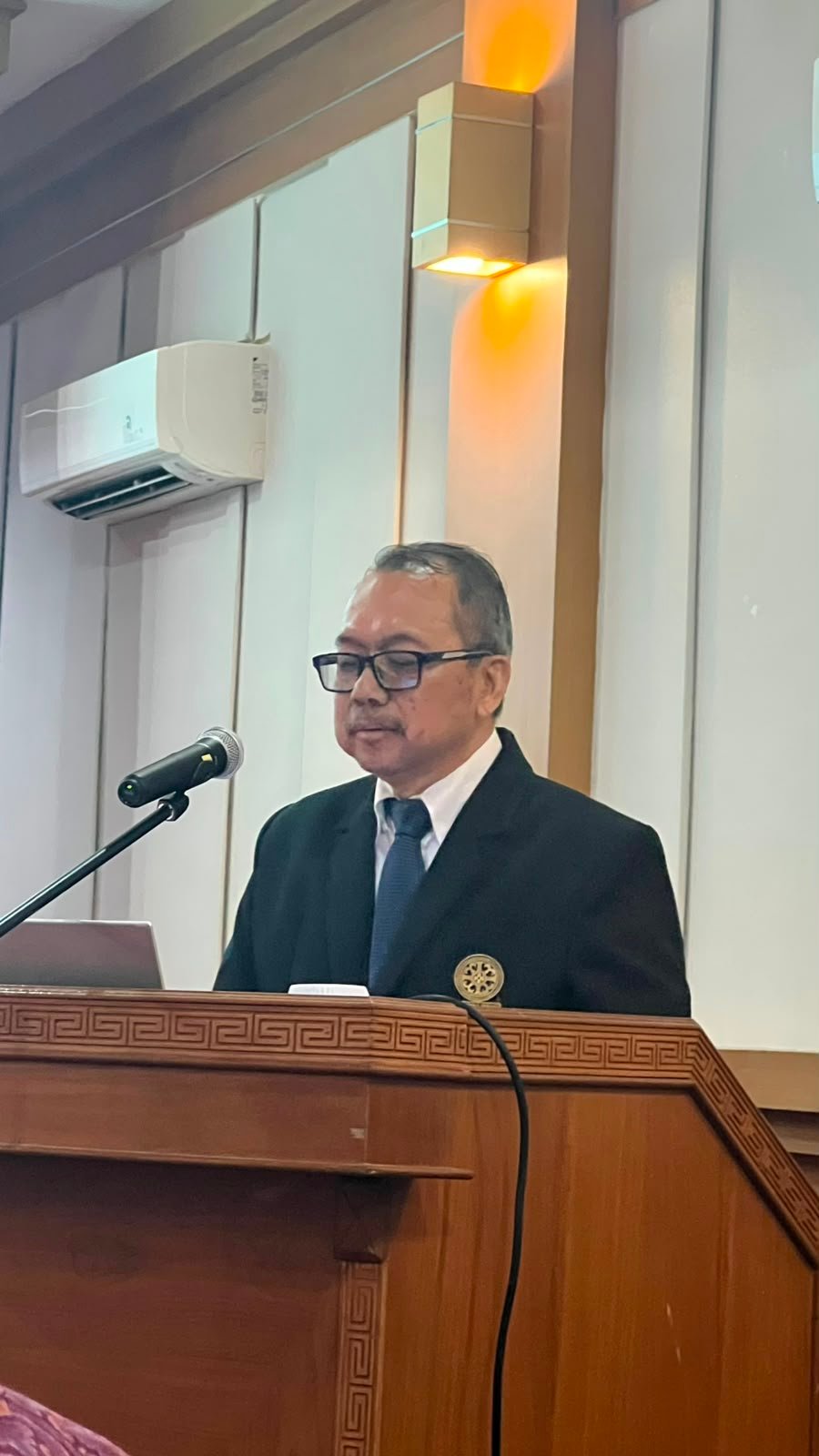
The study found that community involvement can contribute significantly to several areas, including:
- the local economy;
- community empowerment;
- visitor education and awareness;
- social well-being; and
- the overall benefits of tourism to the community.
However, the research also identified an important challenge. Community involvement by itself does not automatically lead to better environmental restoration and conservation. This means that protecting nature requires clear plans, good management, measurable goals, education, and long-term action.
Based on the research, the REGENESIS Model was proposed around six key ideas:
- Restorative — helping places and communities recover and become stronger.
- Socio-Ecological — recognising that people and nature are closely connected.
- Net-Positive — aiming for tourism to create more positive value than negative impact.
- Socio-Cultural — protecting and strengthening local culture and community identity.
- Integration — bringing communities, businesses, government, visitors, and other stakeholders together.
- System — understanding tourism as a connected system rather than a collection of separate activities.
Together, these ideas offer a new way of thinking about the future of tourism in Penglipuran and beyond.
What Does This Mean for You as a Traveller?
You do not need to be an environmental expert to become a more regenerative traveller. It can start with simple choices.
- Meet local people — take time to talk with local residents and learn about their way of life.
- Support local businesses — choose locally produced crafts, food, and experiences whenever possible.
- Respect local traditions — follow village guidelines, dress appropriately when required, and respect temples, ceremonies, and sacred places.
- Take care of the environment — reduce plastic, avoid unnecessary waste, and respect the natural surroundings.
- Learn, not just look — ask questions and listen to local stories. Understanding a place can make your journey much more memorable.
- Travel with purpose — think about how your spending and travel choices can benefit the people and places you visit.
Experience the Bali Behind the Postcard
Penglipuran offers something different from the typical Bali holiday. Here, you can slow down. Walk through a traditional village. Meet local people. Learn about Balinese customs. Discover traditional architecture. Taste local food. Understand the relationship between community, culture, and nature.
And perhaps most importantly, see Bali from the perspective of the people who call the island home. This is the kind of experience that cannot be fully captured in a photograph. It is something you experience, understand, and remember.
The Future of Travel May Be About Giving Back
The story of Penglipuran reflects a much bigger change happening in tourism around the world. Travellers are increasingly looking for experiences that are authentic, responsible, and meaningful. Destinations, meanwhile, are asking how tourism can support their communities rather than simply attract more visitors.
Regenerative tourism brings these two interests together. It encourages travellers to become respectful guests, communities to remain active custodians of their heritage, and tourism businesses to create genuine value for the destinations in which they operate.
For us at Melali Indonesia Journeys, this is an important part of how we see travel in Indonesia. We believe that a great journey is not only about where you go, but also about what you discover, who you meet, and what positive difference your journey can make.
Discover a Different Side of Bali
If you want to experience Bali beyond the usual tourist routes, Penglipuran is a wonderful place to begin. Come not only to see a beautiful village. Come to understand it. Come to meet its people. Come to discover its culture. And come with an open mind to experience a different way of travelling.
Melali Indonesia Journeys — Discover Indonesia. Connect with Culture. Travel with Purpose.